What to Do With Too Many Tomatoes — Tomato University
preservation guide · tomato university

What to Do With
Too Many Tomatoes

Every preservation method covered. Whether you have 5 pounds or 50, there's a right way to handle a bumper crop.

Freeze Them Whole

Freeze Them Whole
what it is

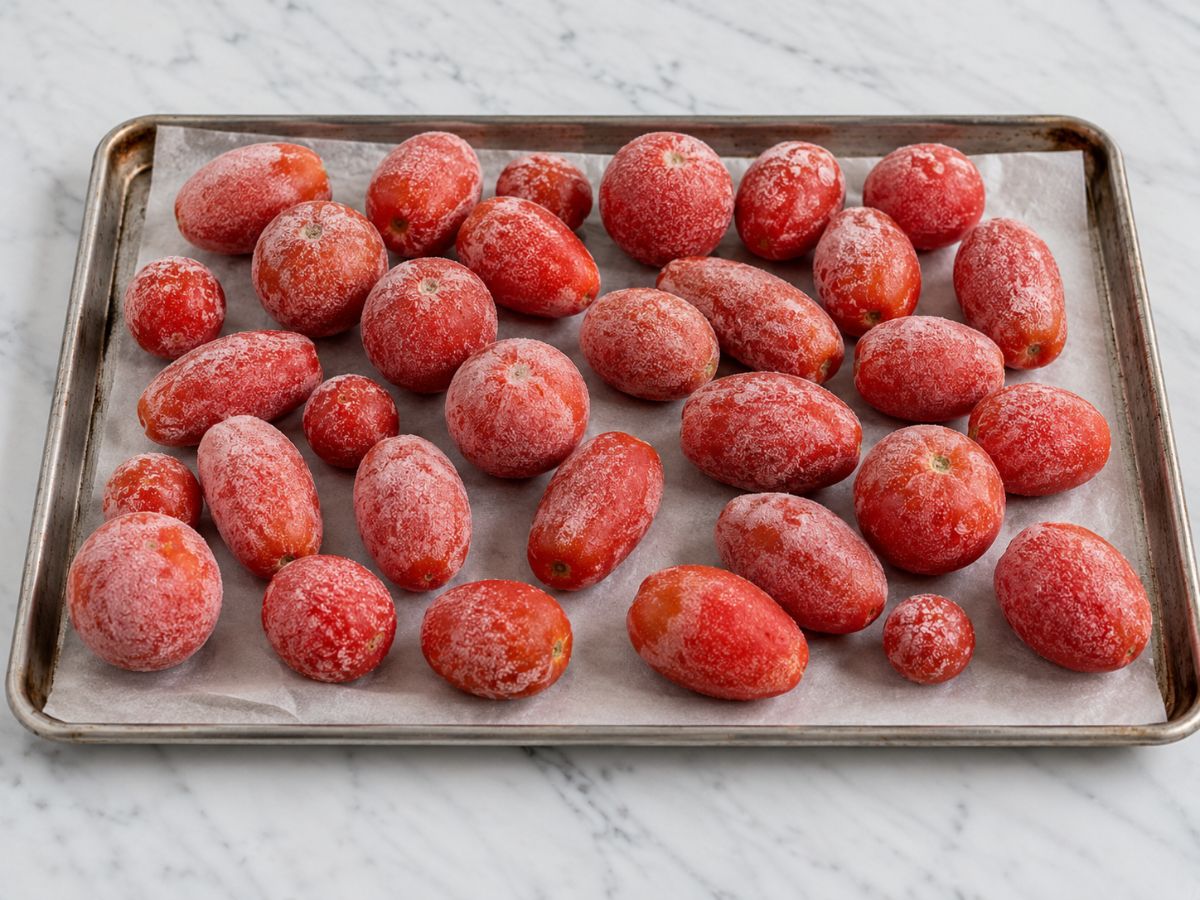
Freezing whole tomatoes is the lowest-effort preservation method available. No peeling, no blanching, no cooking. Toss them on a baking sheet, freeze until solid, then transfer to bags. The skin slips off effortlessly after thawing.

best for

Sauce, soup, stew, and chili — any application where texture doesn't matter. Frozen whole tomatoes cook down beautifully. Not ideal for slicing or fresh eating after thawing.

how to do it
  • Wash and dry tomatoes completely. Any moisture causes freezer burn.
  • Core them if desired, but it's not required. Remove the stem end.
  • Arrange in a single layer on a baking sheet. Freeze 2 to 4 hours until solid.
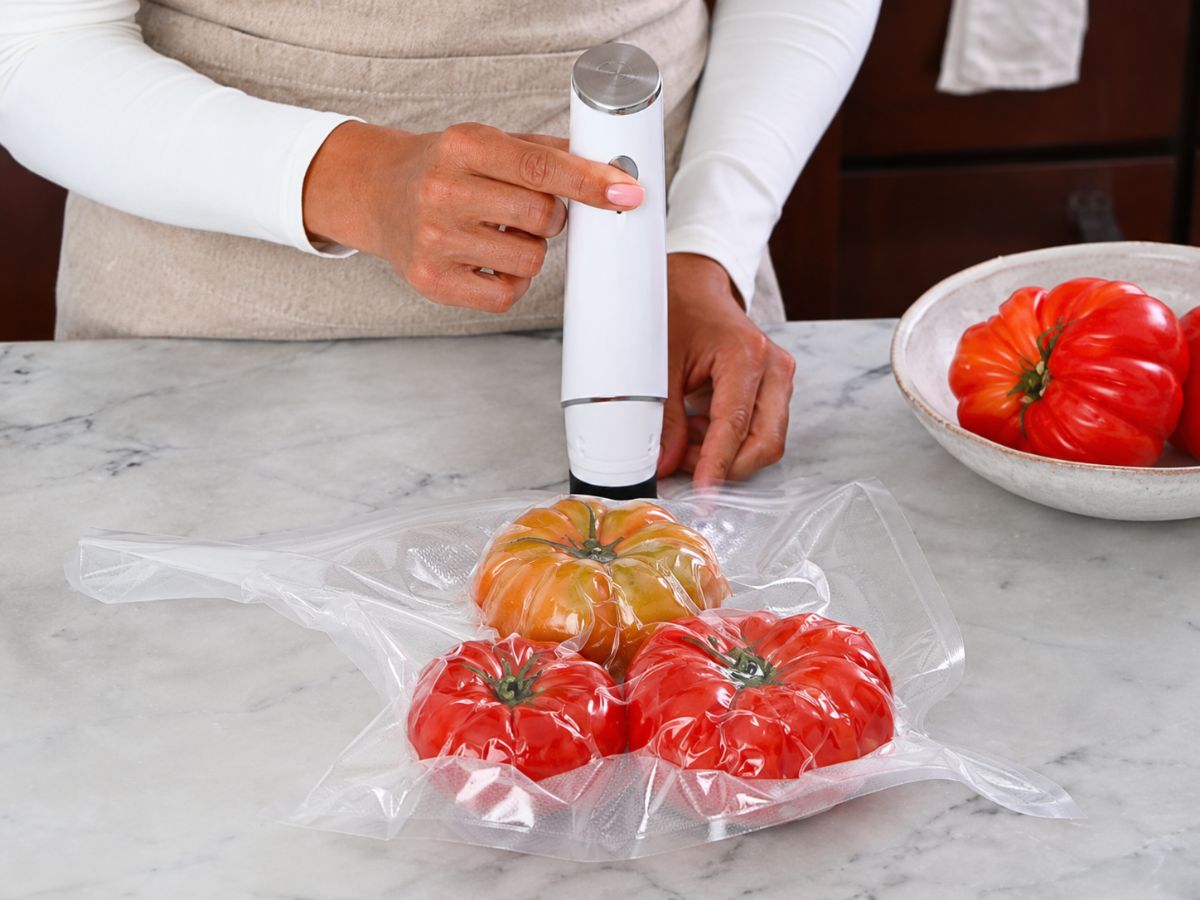
  • Transfer to freezer bags or vacuum-sealed bags. Remove as much air as possible.
  • Label with variety and date. Use within 8 to 12 months for best flavor.
  • To use: run under warm water for 10 seconds. The skin slips right off.
tools you need
Cook Down Into Sauce

Cook Down Into Sauce
what it is

Tomato sauce is the highest-return preservation project for a home grower. Simmer tomatoes down with olive oil, garlic, and salt, pass through a food mill, and freeze in portions. One pot of sauce from a 10-pound harvest will feed you through December.

best for

Any paste or sauce variety — Roma, San Marzano, Striped Roman. But any tomato works. Mix varieties for a more complex flavor. The food mill removes skins and seeds automatically, so no peeling required.

how to do it
  • Roughly chop tomatoes. No need to peel or seed. Halving is enough.
  • Cook in a heavy pot over medium heat with olive oil and salt. Stir occasionally. Cook 45 to 90 minutes until broken down and reduced by about a third.
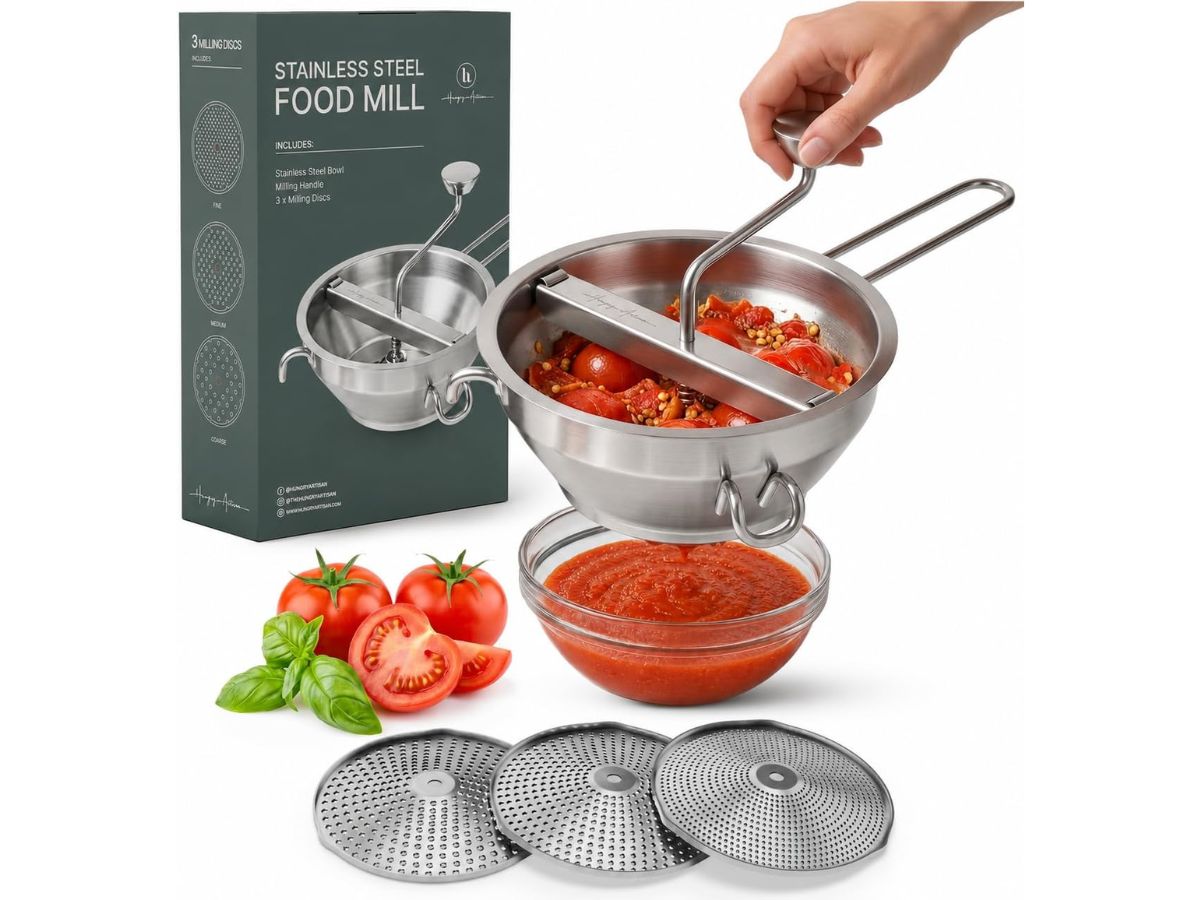
  • Pass through a food mill to remove skins, seeds, and cores. This is the key step.
  • Return to pot and reduce further for a thicker sauce, or use as-is for a looser sauce.
  • Cool completely, then freeze in 2-cup or quart portions. Label with date.
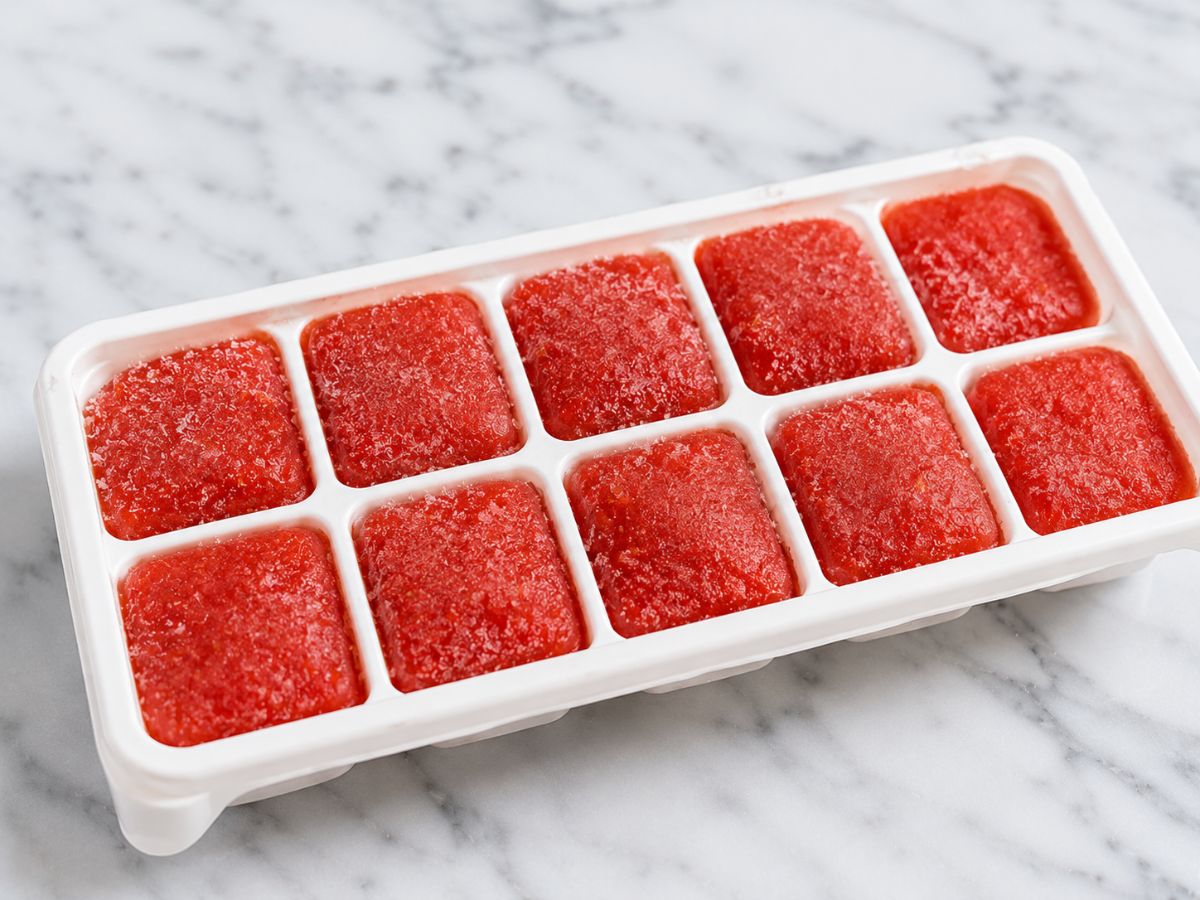
  • For tomato paste: continue cooking on very low heat, stirring frequently, until thick and dark. Freeze in ice cube trays for individual portions.
tools you need

Water Bath Canning

Water Bath Canning
what it is

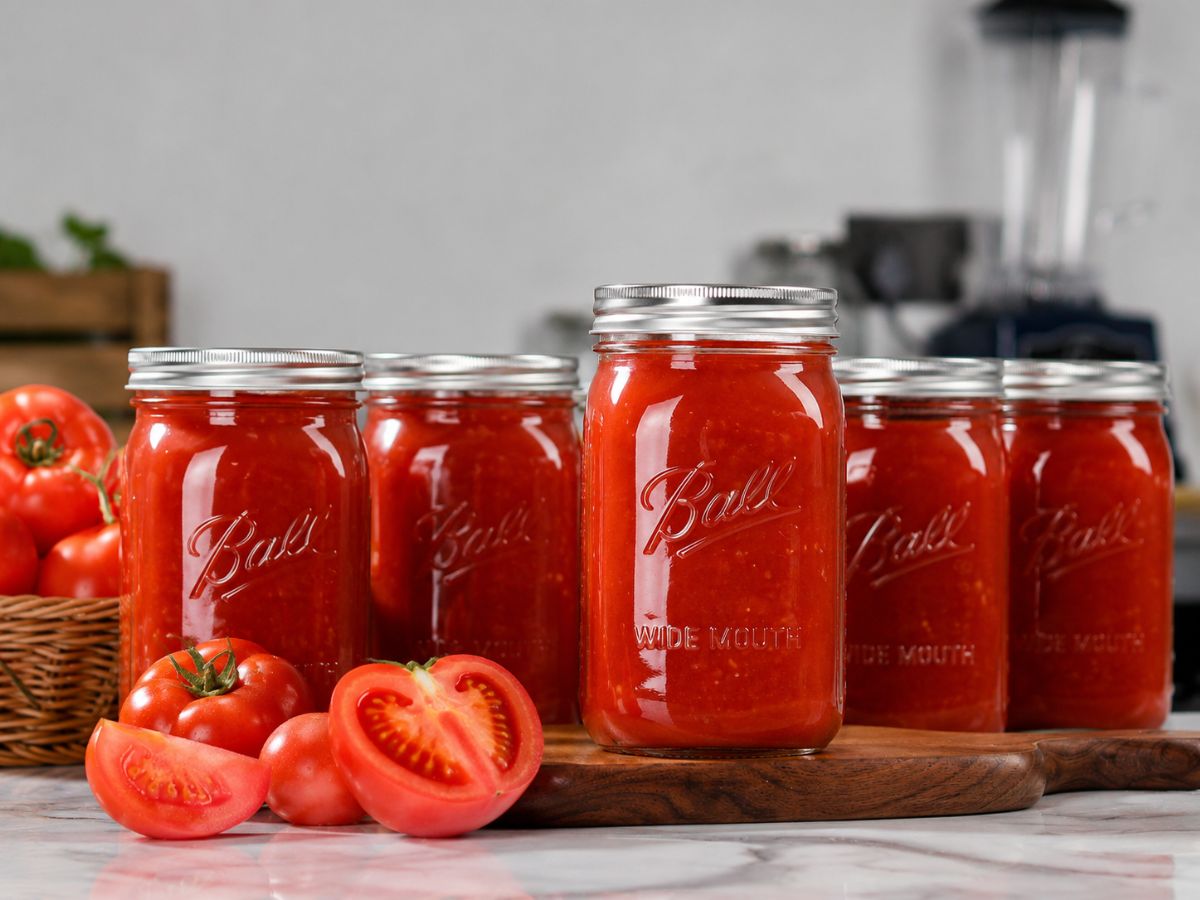
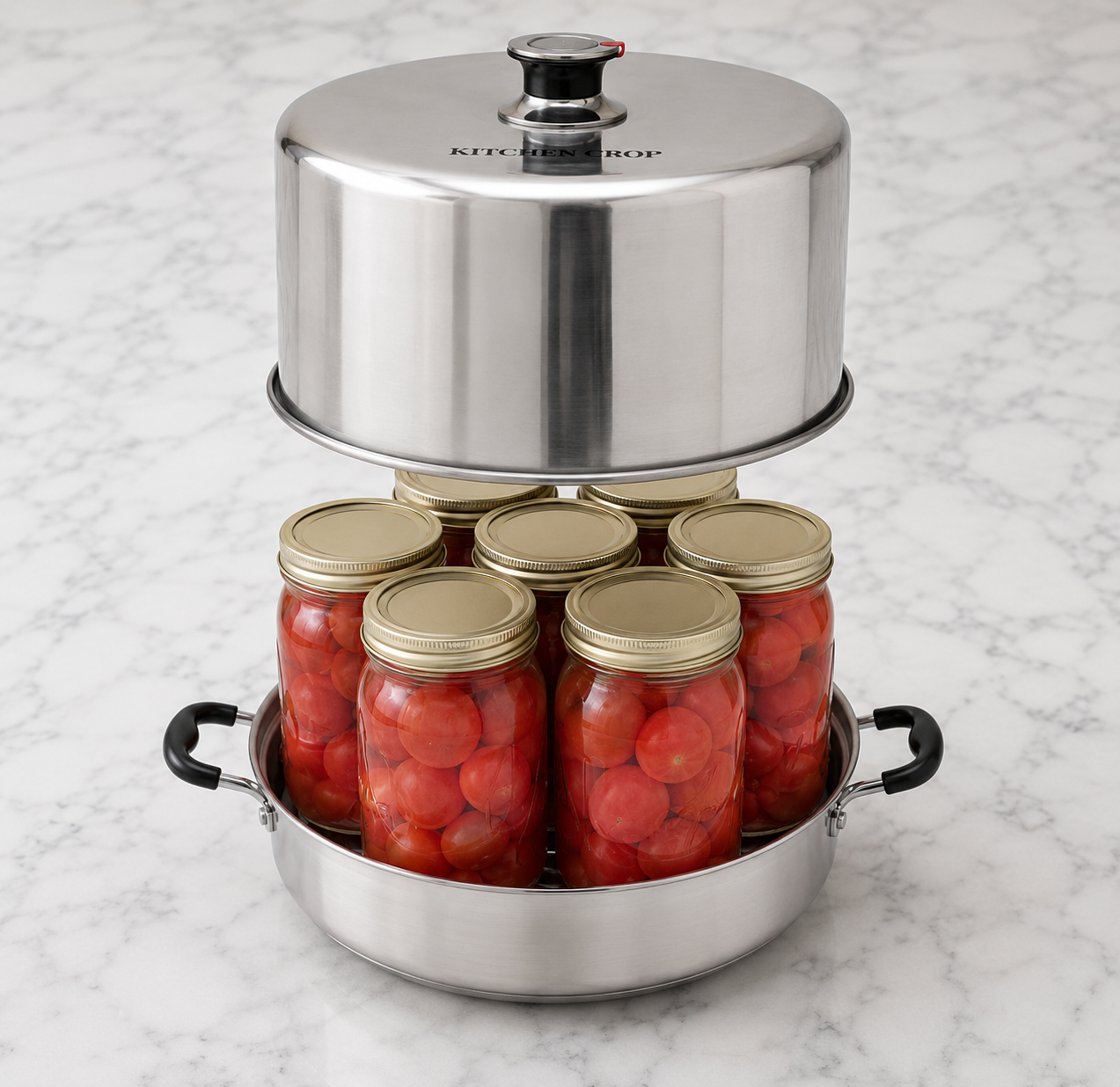
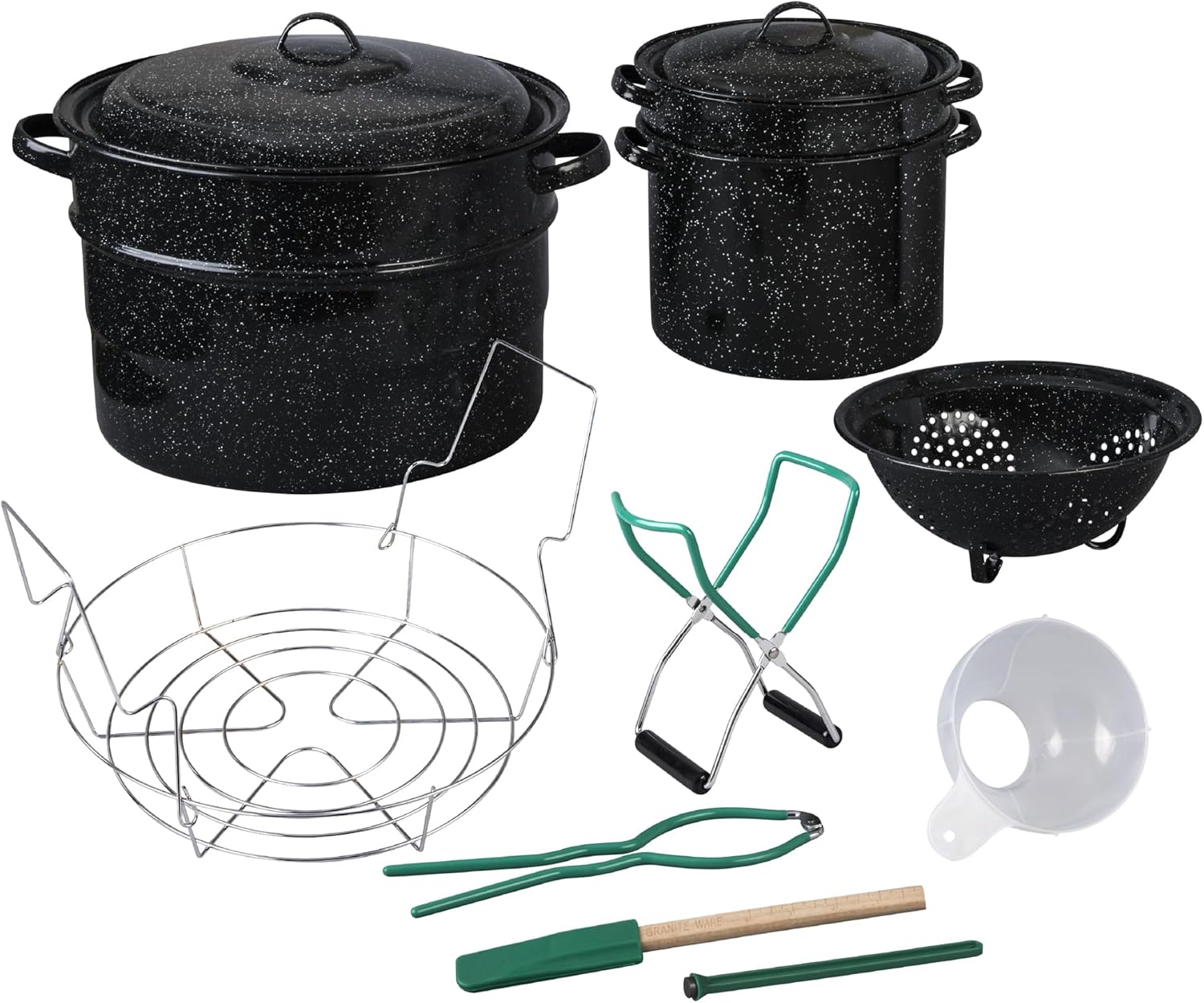
Water bath canning uses boiling water to create a vacuum seal in glass jars. Properly canned tomatoes are shelf-stable for 12 to 18 months. It requires more equipment and attention than freezing, but the result is a pantry that feeds you all year without using freezer space.

best for

Whole tomatoes, crushed tomatoes, diced tomatoes, and tomato sauce. Tomatoes are borderline acidic for water bath canning — always add lemon juice or citric acid to every jar to ensure safe acidity levels. This is not optional.

how to do it
  • Sterilize jars in boiling water for 10 minutes. Keep hot until filling.
  • Blanch tomatoes 30 to 60 seconds in boiling water, transfer to ice bath. Skins slip off easily.
  • Add 1 tablespoon bottled lemon juice (or 1/4 tsp citric acid) to each quart jar. Do not skip this step.
  • Pack tomatoes into hot jars, pressing down to eliminate air pockets. Leave 1/2 inch headspace.
  • Wipe rims clean, apply lids and rings finger-tight.
  • Process in boiling water bath: 45 minutes for quarts, 35 minutes for pints. Start timer when water returns to a full boil.
  • Remove jars and let cool undisturbed for 24 hours. Listen for the pop of the seal. Any unsealed jars go in the fridge.
tools you need

Roast & Freeze

Roast & Freeze
what it is

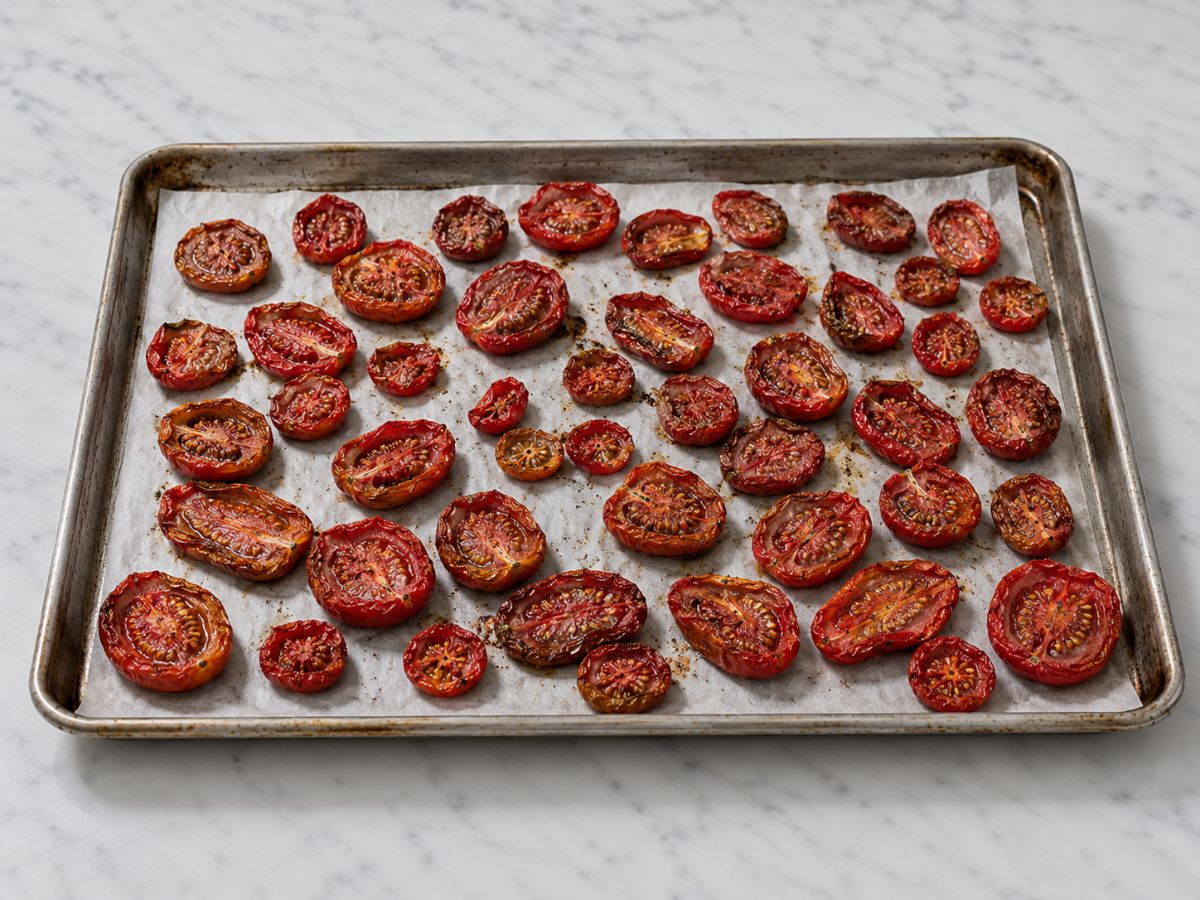
Slow-roasting tomatoes in the oven with olive oil and salt concentrates their sugars and deepens their flavor dramatically. The result is halfway between fresh tomato and sun-dried — deeply flavorful, slightly caramelized, endlessly versatile. Freeze on sheet pans and store in bags.

best for

Works brilliantly with any variety, but especially with plum and cherry tomatoes. Excellent for pasta, pizza, bruschetta, grain bowls, and egg dishes. The roasting liquid in the pan is liquid gold — don't discard it.

how to do it
  • Halve tomatoes and place cut-side up on a rimmed baking sheet.
  • Drizzle generously with good olive oil. Season with salt, and optionally garlic and thyme.
  • Roast at 300°F (150°C) for 2 to 3 hours until shrunken, caramelized, and concentrated. They should look slightly collapsed but not burnt.
  • Cool completely on the pan, including all the juices.
  • Freeze on the pan until solid, then transfer to freezer bags. They keep their shape and don't stick together.
  • Use straight from frozen — no thawing needed for most applications.
tools you need

Dehydrate & Dry

Dehydrate & Dry
what it is

Dehydrating removes moisture from tomatoes until they are leathery (semi-dried) or fully dried and brittle. Dehydrated tomatoes are intensely flavorful and store at room temperature in airtight containers for up to a year. A food dehydrator is the most reliable method — oven drying works but is slower and uses more energy.

best for

Plum and paste varieties for classic sun-dried style. Cherry tomatoes dehydrate beautifully and become intensely sweet. Use in pasta, pizza, salads, grain dishes, and as a snack. Rehydrate in warm water or olive oil for 30 minutes before use.

how to do it
  • Slice plum tomatoes 1/4 inch thick or halve cherry tomatoes. Uniform thickness = even drying.
  • Optional: sprinkle with salt and let drain on a rack for 30 minutes to remove excess moisture.
  • Arrange on dehydrator trays in a single layer with space between pieces.
  • Dehydrate at 135°F (57°C) for 8 to 12 hours for leathery, or 12 to 24 hours for fully dry and crisp.
  • Test by letting a piece cool — it should be leathery and not sticky. If sticky, keep going.
  • Store in airtight glass jars away from light. Fully dry tomatoes last 12 months at room temperature. Leathery ones should be refrigerated or frozen.
tools you need

Lacto-Ferment

Lacto-Ferment
what it is

Lacto-fermentation uses naturally occurring bacteria on the surface of tomatoes to preserve them in a saltwater brine. The result is a tangy, complex, probiotic-rich product with a flavor profile that's completely different from any other preservation method. Think: bright, funky, alive. Cherry tomatoes ferment exceptionally well.

best for

Cherry tomatoes, small paste tomatoes, or diced larger varieties. Fermented tomatoes are excellent as a condiment, on eggs, in grain bowls, alongside cheese, or eaten straight from the jar. Store in the fridge for up to 6 months once fermentation is complete.

how to do it
  • Make a 2% brine: 1 teaspoon of non-iodized salt per cup of filtered water. Iodized salt inhibits fermentation.
  • Pierce cherry tomatoes with a toothpick so brine can penetrate. Halve or quarter larger tomatoes.
  • Pack tomatoes into clean mason jars with garlic, fresh herbs, or chili if desired.
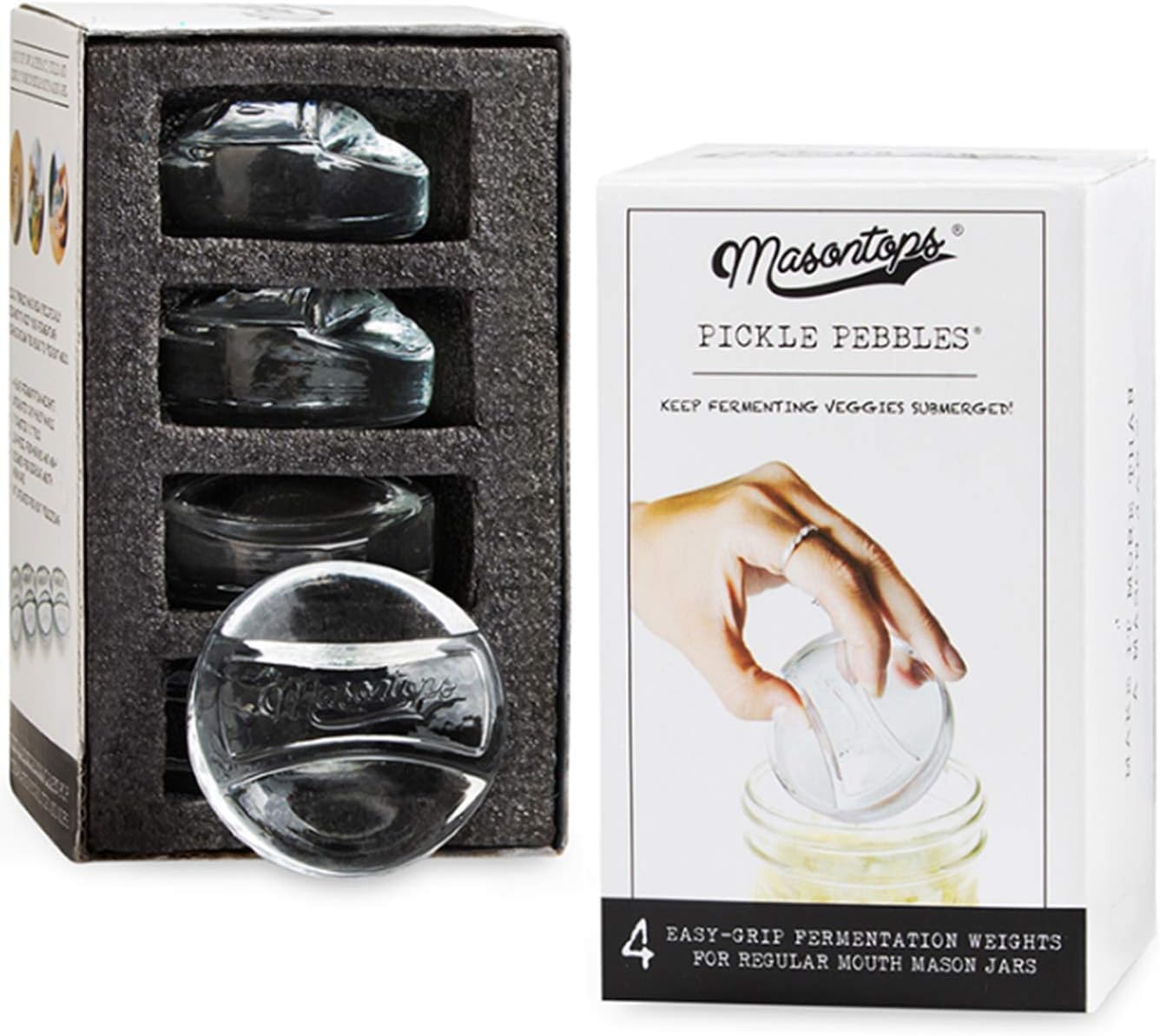
  • Pour brine over tomatoes, leaving 1 inch of headspace. Tomatoes must stay submerged — use a fermentation weight or small zip-lock bag filled with brine to keep them down.
  • Cover loosely (not airtight) and leave at room temperature away from direct sun. Taste daily from day 3.
  • When tangy enough for your taste (usually 4 to 7 days), seal and refrigerate. Fermentation slows dramatically in the cold.
tools you need